Why doesn’t a 100-watt amplifier always sound louder than a 10-watt one? Learn how wattage, compression, speakers, and human hearing all play a role in guitar amp volume.
Why Wattage Isn’t Everything:
Understanding Amp Loudness Myths
Table of Contents
- The Wattage Myth: Bigger Numbers Don’t Always Mean Louder
- Wattage Is Only a Starting Point
- Compression & Distortion Add Perceived Volume
- The Human Ear Loves the Midrange
- Speaker Efficiency Is a Game Changer
- More Speakers = More Air
- Why Tube Amps Often Sound Louder
- The Big Takeaway
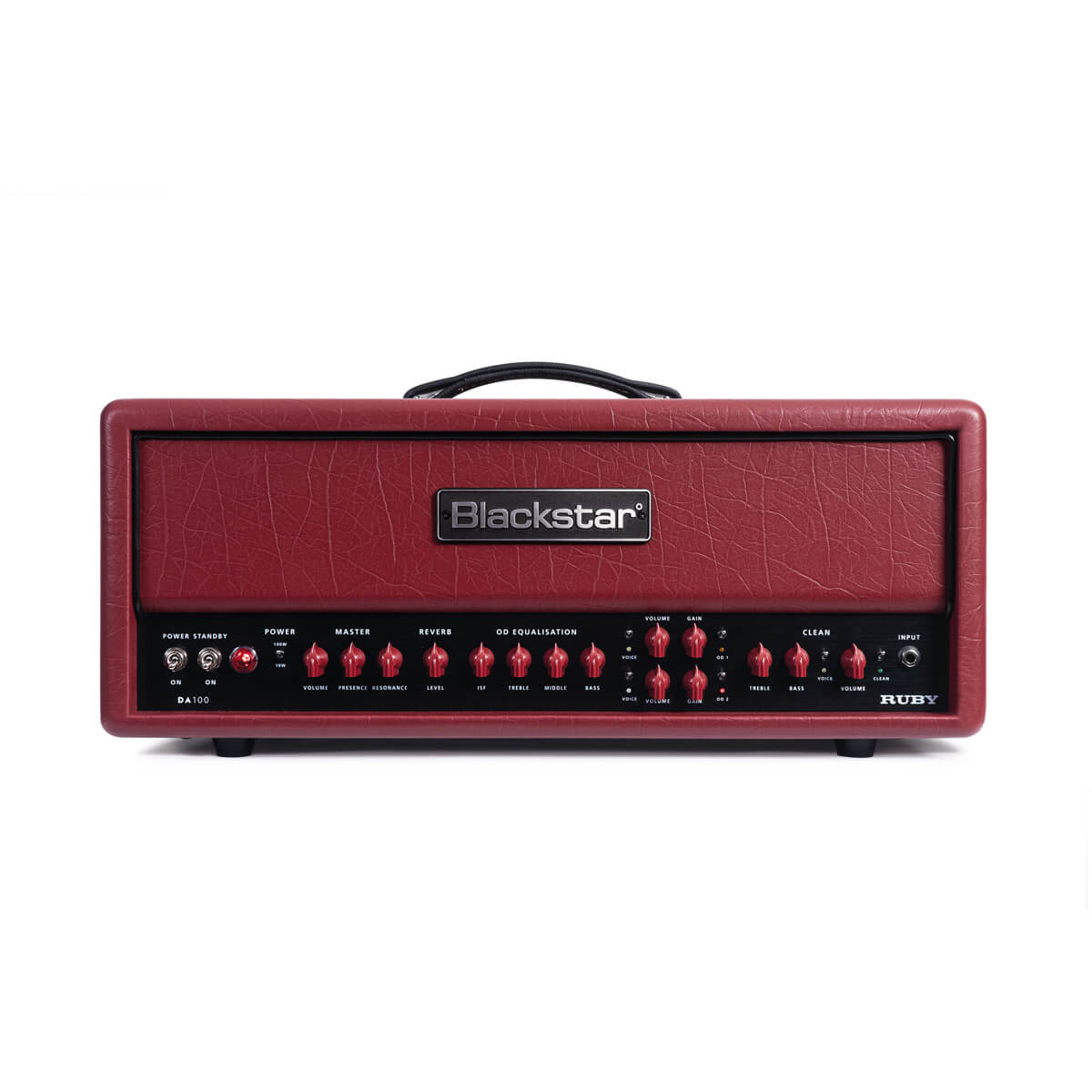
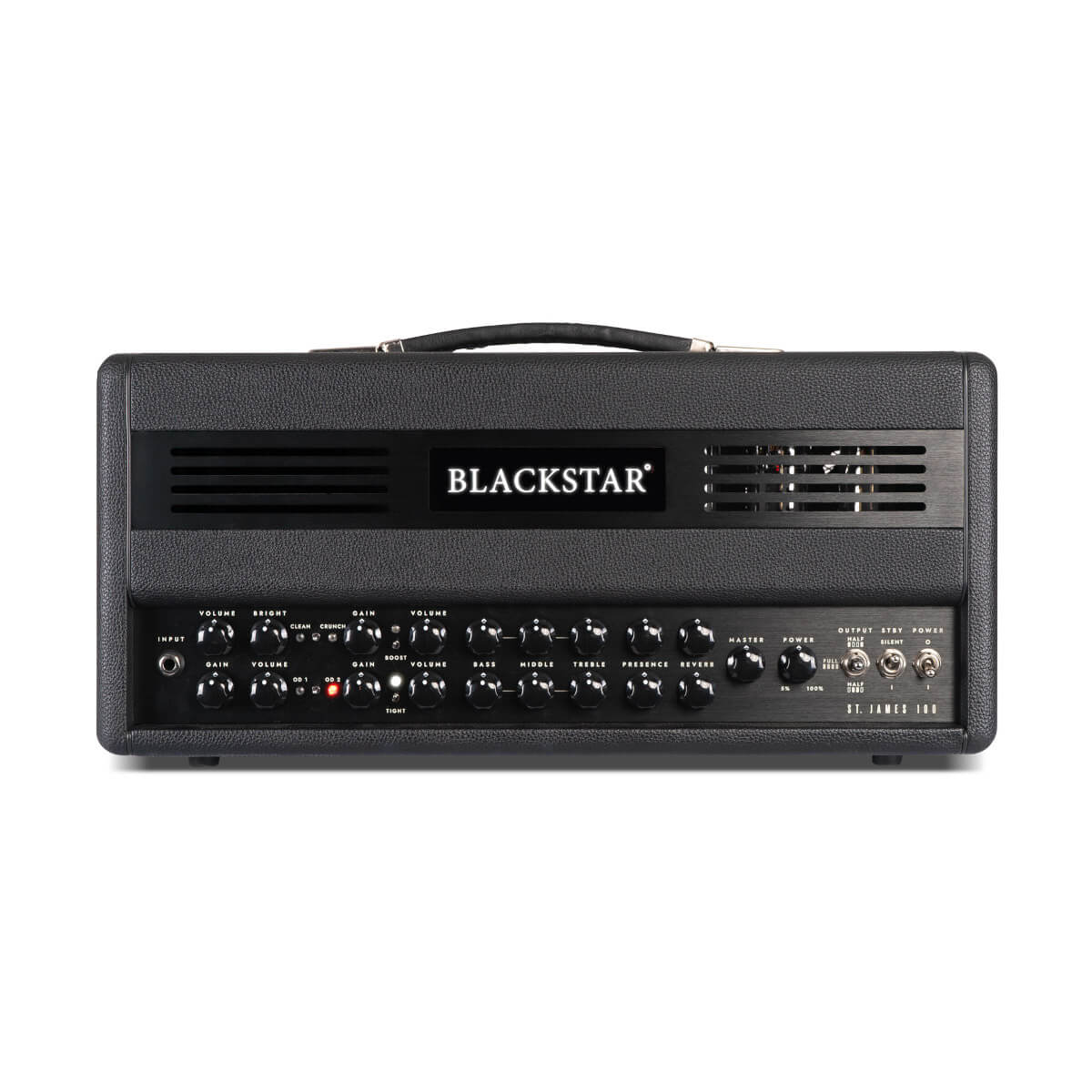
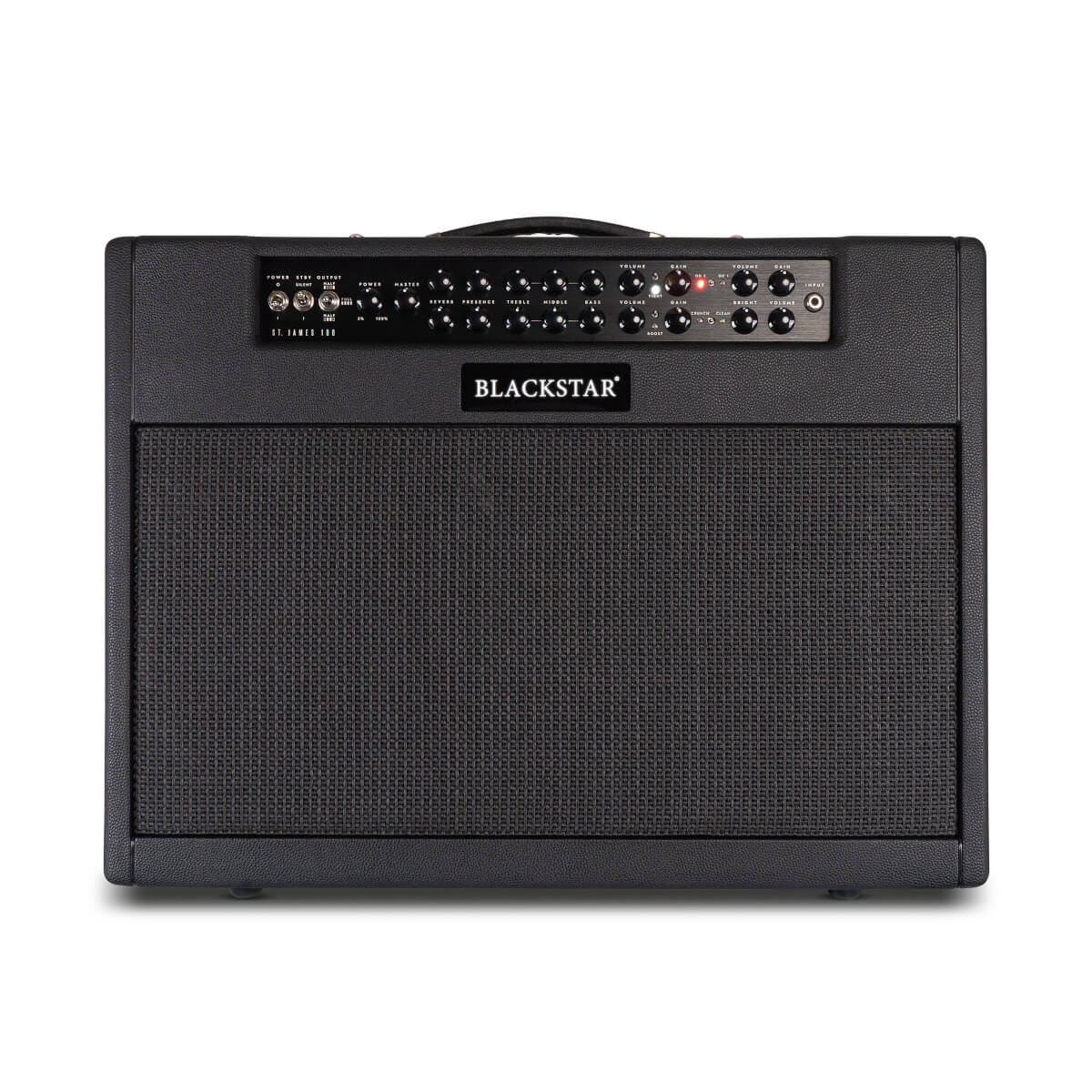
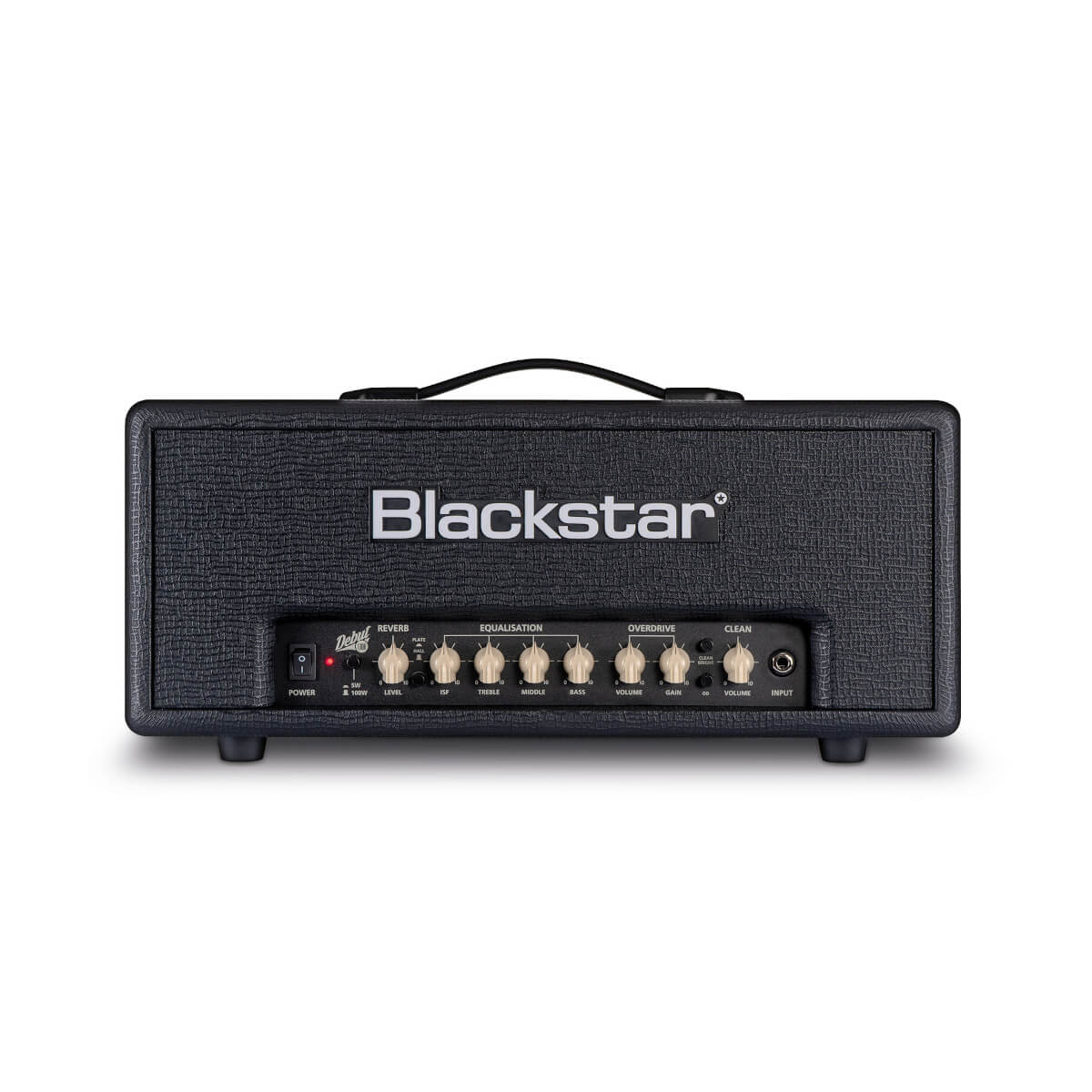
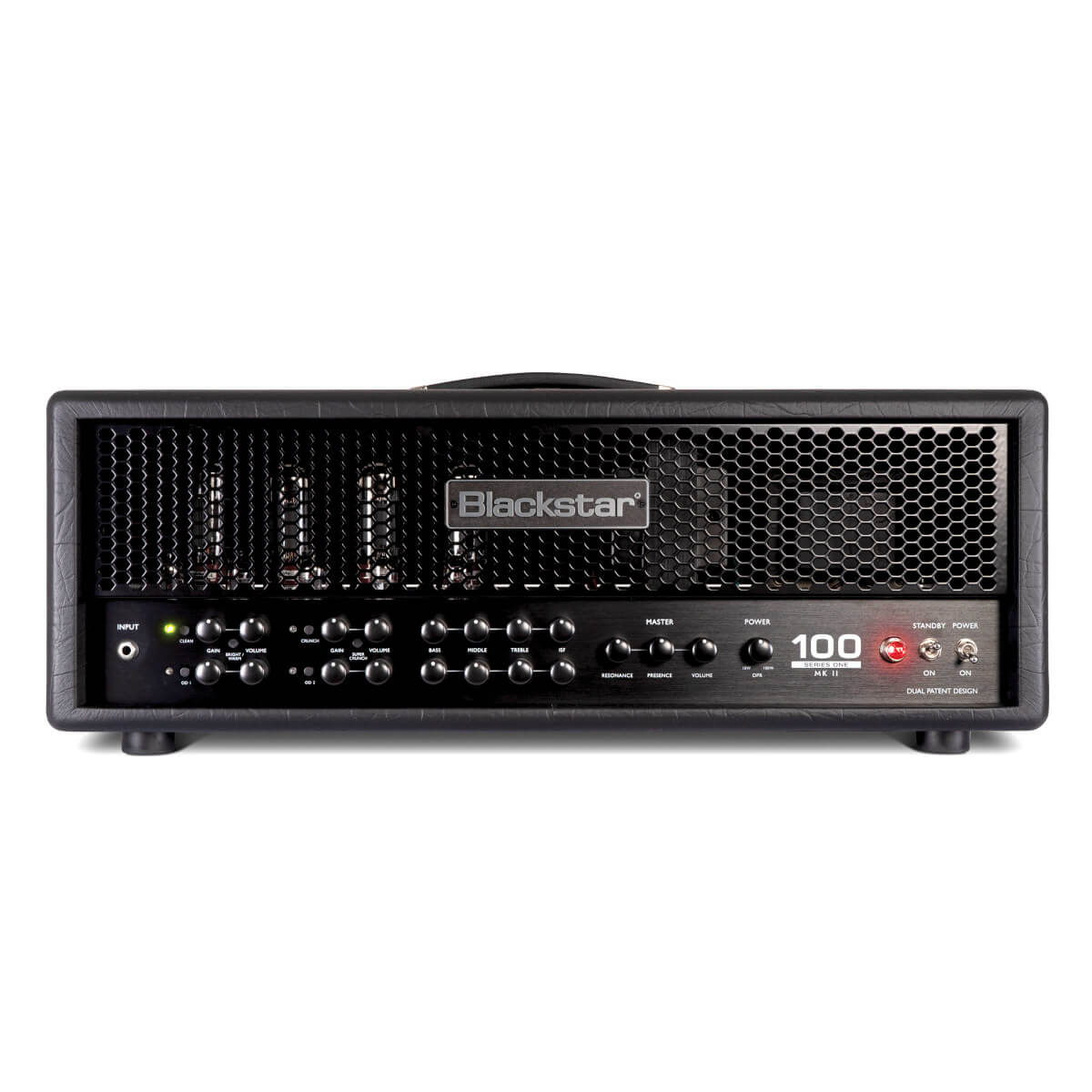
- Best selling high wattage amps
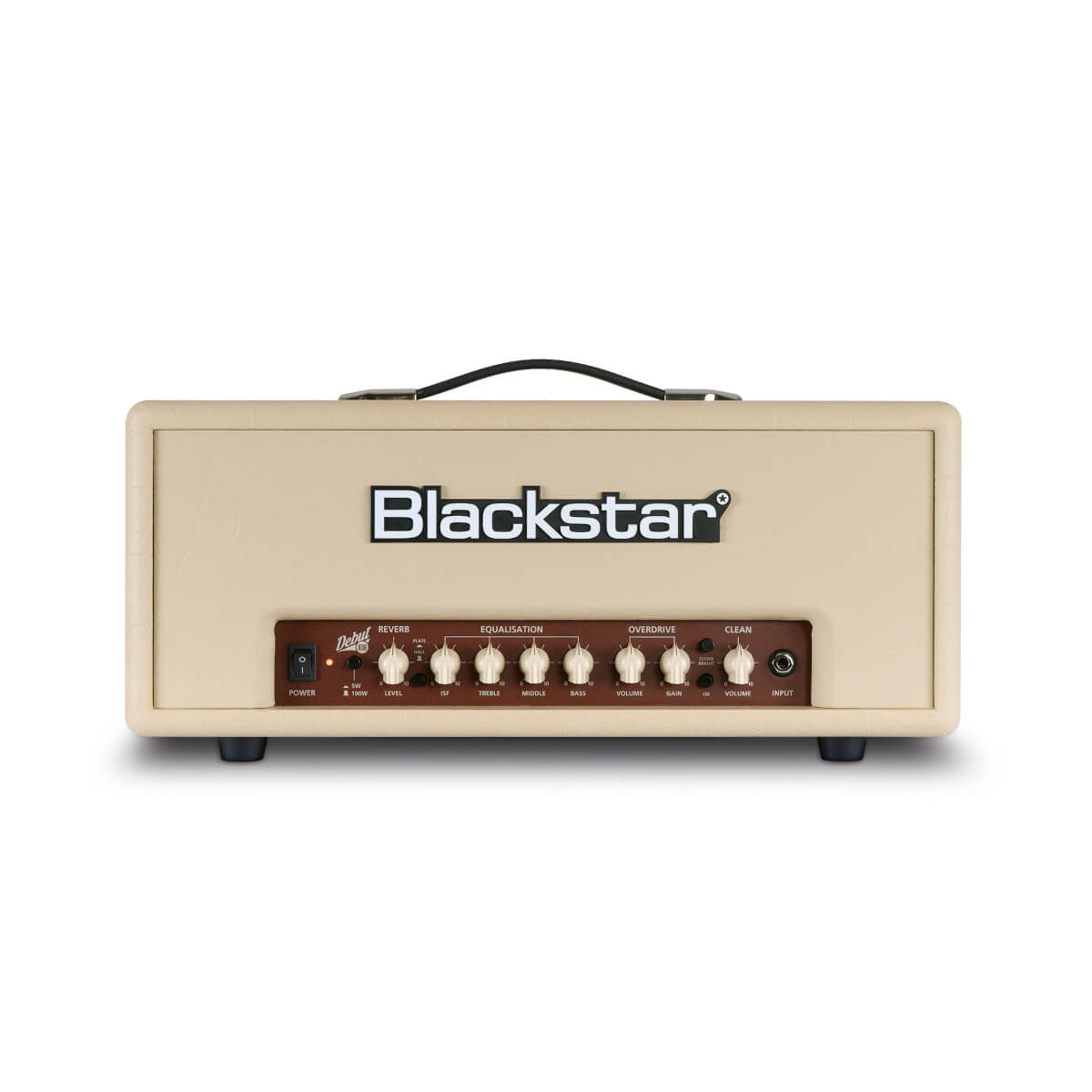
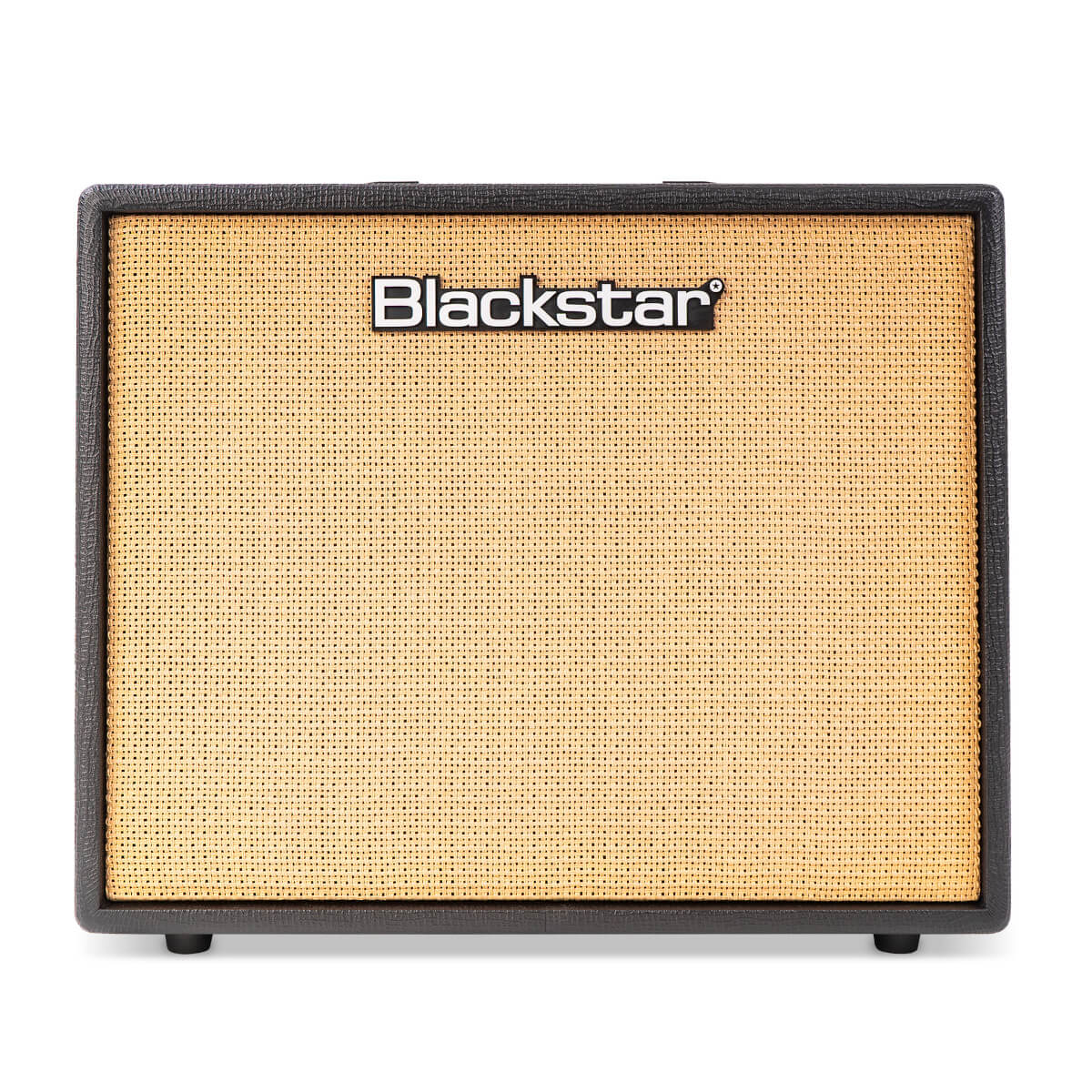
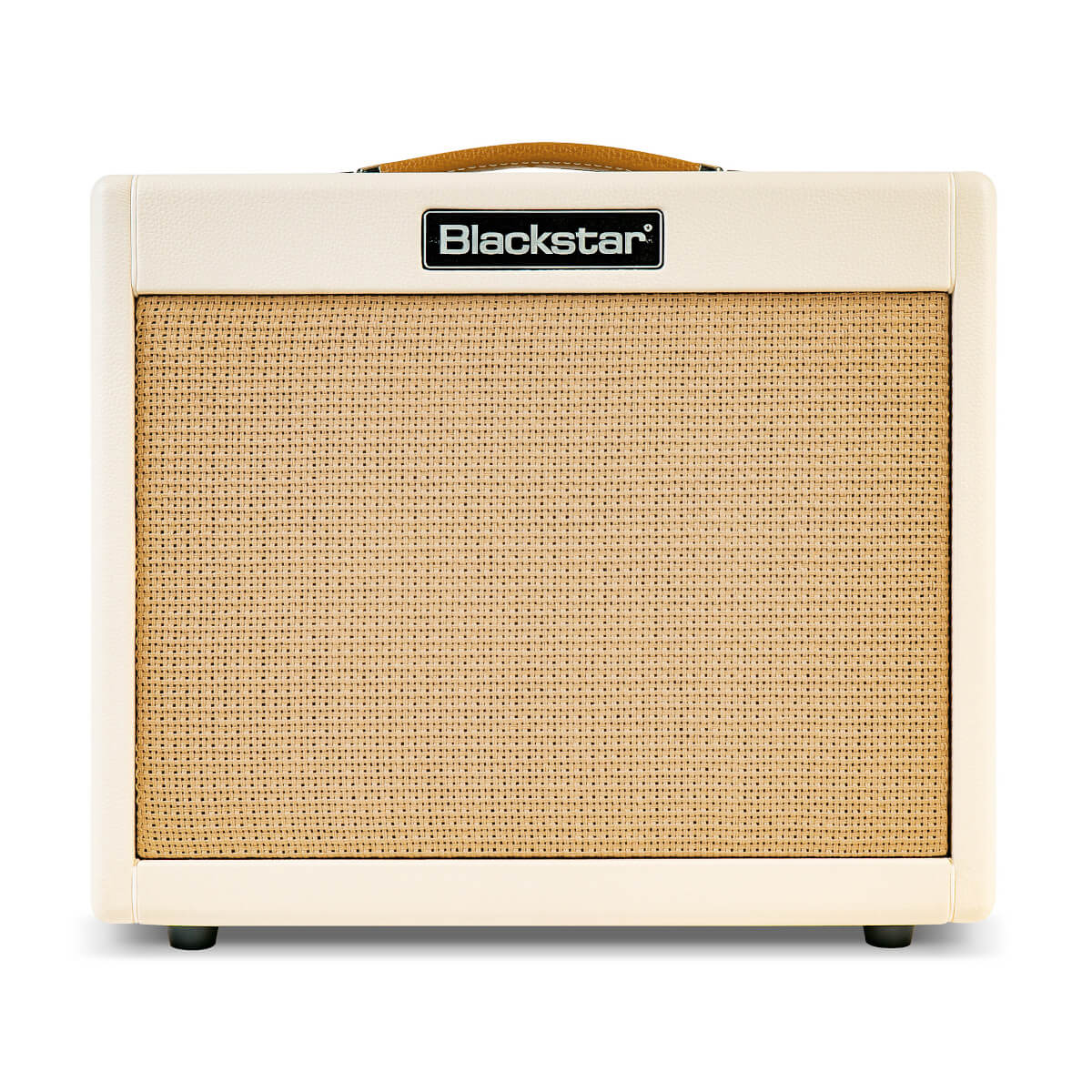
- Best selling low wattage amps
The Wattage Myth: Bigger Numbers Don’t Always Mean Louder
One of the most common misconceptions in the guitar world is that higher-watt amps are automatically louder. But as Blackstar’s Paul Stevens explains in Andertons TV’s Guitar Amp Myths series, wattage only tells part of the story.
Let’s break down why a 10-watt valve amp can sometimes feel louder than a 100-watt solid-state.
Wattage Is Only a Starting Point
Wattage (measured in RMS) is useful for comparing amps, but it doesn’t reflect real-world playing conditions. Marketing often inflates figures with “peak” ratings that don’t match what you actually hear when you plug in.
In truth, wattage is just the foundation — many other factors shape how loud an amp feels.
Compression & Distortion Add Perceived Volume
Guitarists love valve amps partly because they compress and distort naturally when pushed. That compression adds punch, sustain, and presence — making them sound louder without needing extra watts.
The same trick is used in audio mastering: compression makes a track feel louder, even if the actual power doesn’t change.
The Human Ear Loves the Midrange
Our ears are most sensitive to frequencies between 300 Hz and 3 kHz — right where guitars sit.
This means an amp that emphasizes mids will feel louder than one with scooped tones, even at the same measured wattage. On the flip side, bass frequencies require far more power to compete, which is why bass amps need extra wattage to keep up.
Speaker Efficiency is a Game Changer
Not all speakers are created equal. Their sensitivity rating (measured in dB) determines how effectively they turn power into volume.
 Budget Speaker12″ speaker ~94 dB |  Mid-tier Speaker12″ speaker ~97–98 dB |  High End Speaker12″ speaker 99+ dB |
That difference can make one amp sound twice as loud as another with the exact same wattage.

More Speakers = More Air
Adding extra speakers doesn’t just spread the sound — it makes an amp feel bigger and more powerful. A 2×12 cab will move far more air than a single 12″, even at the same wattage.
And don’t forget the room itself: a small, reflective space amplifies sound, while a large, open venue disperses it.

Why Tube Amps Often Sound Louder
Tube amps “clip” more gradually than solid-state designs. Instead of harsh distortion, they add consonant harmonics that blend musically with the original signal.
The result? Extra headroom, richer harmonics, and a sound that feels louder — even if the SPL meter doesn’t fully agree.
The Big Takeaway
A loud amp isn’t just about wattage. Real-world volume depends on:
- True RMS power (not inflated specs)
- Speaker sensitivity (high dB = louder)
- Speaker configuration (more cones = more projection)
- Room acoustics (the environment changes everything)
- Tone character (compression, harmonics, EQ)
That’s why a 10-watt valve combo can easily keep up with — or even outshine — a 100-watt solid-state in the right setup.
Final Thoughts
So, next time you’re shopping for an amp, don’t just look at the wattage on the badge. Think about the speakers, cabinet design, and how you’ll actually use it.
After all, it’s not about the numbers — it’s about how it sounds and feels when you play.
Author: Paul Stevens, Blackstar Amplification Expert
Date Published: October 29, 2025
Date Modified: October 29, 2025