


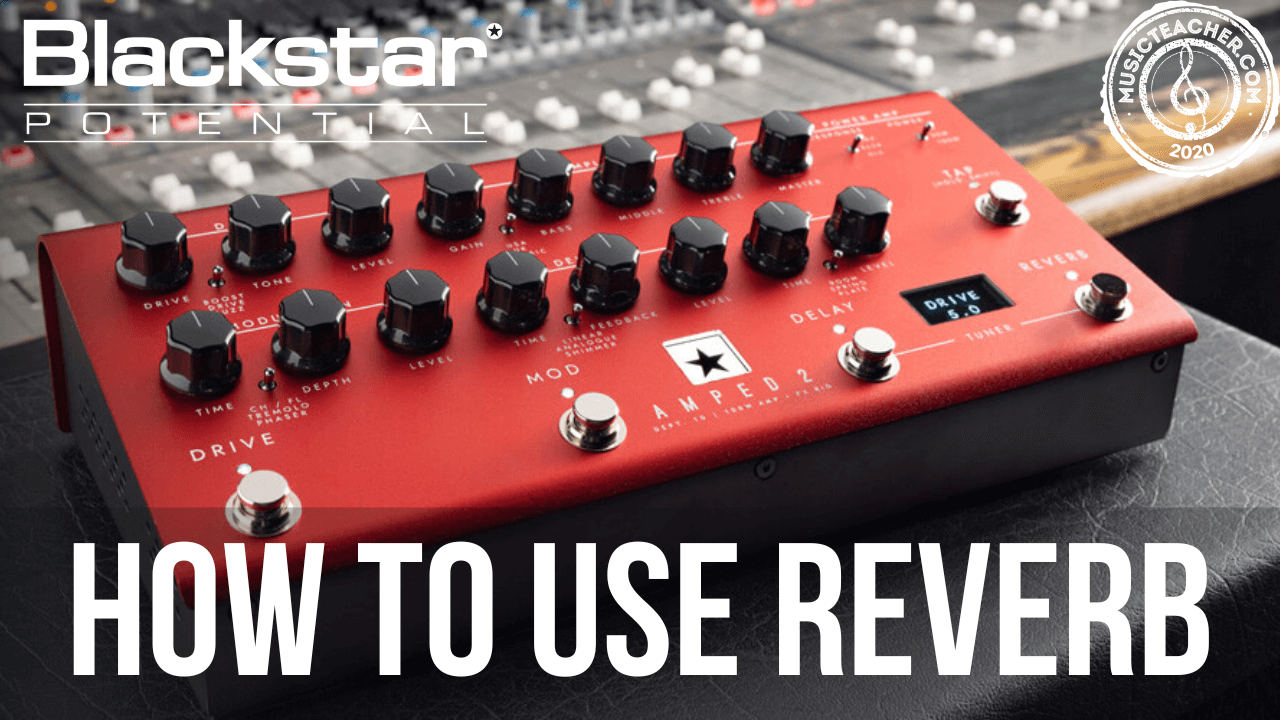
4 Ways to Use Reverb
Reverb is a type of effect that creates an artificial space around your guitar tone.
Reverb is a natural occurring sound phenomenon. When you are in a large hall or any large space, and you make a sound, that sound will bounce around the room and come back to your ears. The larger the room, the most spacious it sounds and the longer the sound takes to return. This is natural reverb.
Guitar is an inherently dry sounding instrument, so many guitar players opt to add reverb to their sound to give it some spatial quality.
In this video we’re going to be looking at 4 ways you to use reverb.
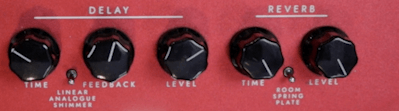
All the reverb tones are coming from the Amped 2 which has 3 different reverb modes:
- Room – Simulates the sound of a room
- Spring – Simulates the sound of a spring reverb tank often found in vintage guitar amps
- Plate – Simulates a plate reverb, a popular choice in studio sessions
The Amped 2 reverb section has just 2 controls:
- Time – The time length of the reverb tail
- Level – The overall balance of the reverb
Add Space to Clean Tones
The most effective and simple way to use reverb is to use a room reverb to add space to your clean tones. Instead of guitar parts being dry, you can add a touch of reverb to place those guitar tones into a space.
This gives an impression of width and size when it comes to what we hear back.
You’re hearing the room reverb in the video with the time and level set to half way, but you can tweak this to taste.
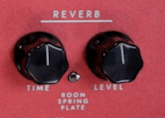
Vintage Rock Spring Reverb
If you’ve ever played, or heard, a vintage tube amp then you’re probably hearing some type of spring reverb. For this, the spring reverb voice is selected with the time set to half way (you can adjust this if you want more or less spring tone) and the level blended in low. This way you get more of the dry tone and the reverb is added ontop, like a real spring reverb would work in an amp.
If you want a more intense spring sound, increase the level and time.
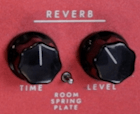
Lush Lead Guitar Tones
This is a great way to fill out and widen any lead guitar tones. Choose the plate setting and crank the time and level up to 2 o clock. There is a lot of reverb here, but the idea is to make the lead guitar tone sound like it’s in a huge space.
This is quite an 80s approach to lead tones where everything was intentionally made bigger.
If you’re putting a lead tone in a very busy mix, you might want to use a little less to ensure it doesn’t get too lost.
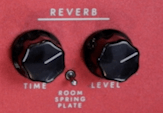
Create Ambient Soundscapes
The Amped 2 doesn’t have a shimmer reverb, but it does have a shimmer delay. This tone combines the delay with the reverb.
The delay is set to shimmer and set with the time very low so that you get one very fast repeat. Use the feedback control to increase the length of the delay tail and the level to blend it so that the repeat is not that audible. The idea here is just to try to get as much of the delay tail as possible.
Then, pair that with a plate reverb turned up to full and you have a shimmery, ambient soundscape.
————————————————————————-
About the Author
This article on how to use reverb in your guitar tone was written by Leigh Fuge. Leigh is a professional guitarist and content creator and also works alongside musicteacher.com to create guitar focused, educational and entertainment content.
If you’re looking for a guitar teacher in your local area, check out their music teacher database to find your local teacher today. Each teacher has their own local page such as Guitar Lessons Coventry. Find your local teacher today!