


How to Dial in a Classic Rock Tone with Amped 2
Classic Rock is a no-nonsense style of music. Many classic rock anthems are simple songs with big hooks and driving rhythms that have inspired countless generations to pick up a guitar.
When you’re looking for the perfect classic rock tone, it doesn’t need to be as complicated a you might think. Many guitar heroes from this genre opted for simple rigs that delivered powerful tones. It’s also worth remembering that most of the modern guitar gadgets we have today were not around at that time.
In this lesson we’re going to learn how to dial in a great classic rock tone with the Amped 2 that you can use as a starting point for your own classic rock tones.
Amplifier
A good classic rock tone starts at the amplifier. When we think of classic rock, we think of big guitar tones with plenty of clarity. The overall tone of Classic Rock is that typical British voiced, mid pushed sound.
An EL34 response paired with the voice switch set to the UK mode will get you closest to this tone. EQ Wise you want a mid heavy tone with lots of clarity so go easy on the low end. You want to keep your low end very open and not muddy.

Reverb
Classic Rock is a genre best kept fairly dry and direct, but you can use a little room reverb to add a realistic space to your riffs. Don’t go too heavy with the reverb, you don’t want to take away the attack of your amp tone.

Drive
Gain isn’t the main component of a great classic rock sound. You don’t want to be using a huge amount of gain at the risk of muddying up the sound, but you can use a boost in the front of the amp to either give yourself a lift for lead lines or just add a little extra thump to your rhythm playing.

Modulation
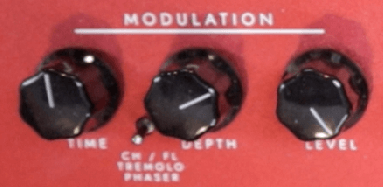
Back in the classic rock days there wasn’t the plethora of effects available that exist today. One of the main effects was a phaser. You can use a slow phaser to add some 70s swirl to your licks. This also works great when paired with a clean tone to add some movement to your clean picked riffs.
Delay
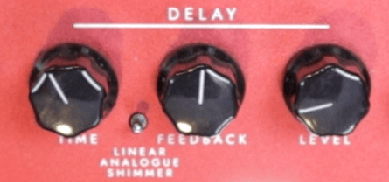
In the 60s and 70s many guitar players used reel to reel echo machines to add repeats to licks. The echo machine never delivered a clean repeat, the repeats would always be slightly distorted or warped and may even modulate slightly.
If you use an analogue delay with a fast time and medium feedback you can create some 70s sounding echoes.
————————————————————————-
About the Author
This article on how to dial in a classic rock tone was written by Leigh Fuge. Leigh is a professional guitarist and content creator and also works alongside musicteacher.com to create guitar focused, educational and entertainment content.
If you’re looking for a guitar teacher in your local area, check out their music teacher database to find your local teacher today. Each teacher has their own local page such as Guitar Lessons Worcester. Find your local teacher today!